


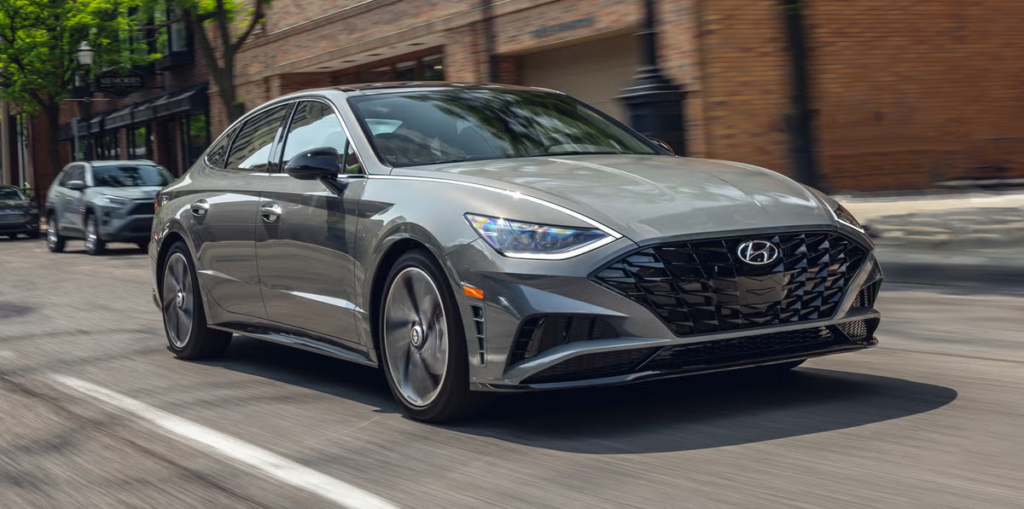
Hyundai Sonata Recall: Unpacking the Critical Fuel Tank Melting Risk and What It Means for Owners in 2025
For over a decade in the automotive industry, I’ve witnessed countless recalls, from minor software glitches to catastrophic mechanical failures. Each one carries a significant weight, impacting not just manufacturers but, more crucially, the everyday drivers who trust their vehicles for safety and reliability. As we navigate the complex landscape of automotive technology in 2025, a recent development regarding the Hyundai Sonata has caught the attention of safety advocates and vehicle owners alike: a recall affecting over 85,000 Sonatas due to a critical fuel tank melting risk. This isn’t just another service bulletin; it’s a profound safety concern demanding immediate attention and a thorough understanding.
Let’s delve deep into the technical intricacies, the safety implications, and the practical steps Sonata owners need to take to ensure their peace of mind and, more importantly, their safety.
The Alarming Core of the Issue: A Flawed Purge Control Check Valve
At the heart of this significant recall lies a seemingly innocuous component: the purge control check valve. In normal operation, this valve is a critical part of your vehicle’s evaporative emission control system (EVAP), designed to capture fuel vapors from the gas tank and route them to the engine to be burned, preventing their release into the atmosphere. It’s a key player in maintaining environmental compliance and optimal engine performance.
However, in the affected Hyundai Sonata models from 2020 to 2023, specifically those equipped with the non-hybrid turbocharged 1.6-liter four-cylinder engine, this valve exhibits a critical flaw. It can fail in a way that allows compressed air to backflow from the turbocharger system directly into the fuel tank.
Imagine this scenario: your turbocharged engine, designed for enhanced power and efficiency, is generating significant boost pressure. This pressure is meant to be channeled into the combustion chambers. But due to the faulty check valve, a portion of that highly compressed air finds an unintended pathway into the sealed environment of your plastic fuel tank.
The consequences are dire. Plastic fuel tanks, while robust under normal operating conditions, are not designed to withstand sustained internal pressurization from a turbocharger. Over time, or under specific driving conditions, this internal pressure can cause the fuel tank to deform and expand significantly. This isn’t a subtle change; we’re talking about a physical alteration of a critical safety component.
The Perilous Proximity: Fuel Tank Meets Exhaust System
Here’s where the problem escalates from a structural anomaly to a severe fire hazard. Modern vehicle layouts are incredibly compact, with components often placed in close proximity to optimize space and weight distribution. The fuel tank, especially when deformed and expanded, can intrude into areas it was never meant to occupy.
Specifically, the expanded fuel tank risks coming into direct contact with the vehicle’s hot exhaust system. Exhaust pipes, especially after extended driving or under heavy load, can reach extremely high temperatures – hundreds of degrees Fahrenheit. When a plastic fuel tank, potentially stressed and compromised, makes sustained contact with such a heat source, the inevitable outcome is alarming: the plastic material can begin to melt.

A melting fuel tank is an unequivocal recipe for disaster. Fuel can leak, vaporize, and ignite upon contact with the incandescent exhaust components or other hot engine parts. The risk of a vehicle fire, with all its inherent dangers to occupants and surrounding property, skyrockets dramatically. This isn’t theoretical; Hyundai has already acknowledged several confirmed fuel-tank leaks related to this precise issue in both the U.S. and Canada. While thankfully no crashes, injuries, or fatalities have been reported yet, the potential for such catastrophic events is very real, underscoring the urgency of this recall.
Identifying the Warning Signs: Don’t Ignore the Red Flags
As an experienced automotive professional, I cannot stress enough the importance of being attuned to your vehicle’s behavior, especially when a significant recall is announced. While the official remedy is paramount, recognizing early warning signs can be crucial for your safety. Owners of affected 2020-2023 Hyundai Sonatas with the 1.6-liter turbo engine should be vigilant for any of the following indicators:
Audible “Pop” Noise from the Rear: This could be the sound of the fuel tank deforming under pressure, a distinct and unsettling indicator that something is amiss with the fuel system integrity.
Malfunction Indicator Light (MIL) Illumination: Commonly known as the “check engine” light, this dashboard warning can illuminate for a myriad of reasons. In this context, it could signal an issue with the EVAP system, fuel pressure, or other related sensor discrepancies caused by the faulty check valve or tank deformation. While not exclusive to this problem, it warrants immediate investigation.
Distinct Fuel Smell Around the Vehicle: This is perhaps the most obvious and alarming sign. The odor of gasoline, particularly when the vehicle is stationary or after driving, is a direct indicator of a fuel leak. Even a subtle smell should prompt extreme caution and immediate action.
Difficulty Starting the Vehicle: While less directly linked to the melting risk, issues with fuel system pressure or integrity can manifest as hard starting or even a complete no-start condition. The EVAP system plays a role in proper fuel delivery, and a compromised system can affect engine startup.
If you experience any of these symptoms, it is imperative to contact your Hyundai dealership immediately and avoid driving the vehicle if a fuel leak is suspected.
The Recall Population: Are You Affected?
This recall specifically targets Hyundai Sonata sedans from the 2020, 2021, 2022, and 2023 model years. The critical common denominator is the presence of the non-hybrid turbocharged 1.6-liter four-cylinder engine. Owners of Sonatas with the 2.0-liter hybrid powertrain are explicitly exempt from this recall, as their fuel system architecture and engine type do not share the same design vulnerability.
To verify if your specific vehicle is part of this recall, the most definitive method is to check your Vehicle Identification Number (VIN). Hyundai will be directly notifying affected owners by mail, but proactive checking is always advisable. You can input your VIN into the National Highway Traffic Safety Administration (NHTSA) website’s recall lookup tool. This free online resource is invaluable for staying informed about any outstanding safety recalls for your vehicle, not just this one.
Navigating the Recall Process: Your Step-by-Step Guide
Receiving a recall notification can be daunting, but understanding the process empowers you to act decisively and efficiently. Here’s what affected Hyundai Sonata owners can expect and what steps to take in 2025:
Official Notification: Hyundai plans to notify both owners and dealerships by mail, with notifications commencing around January 16, 2026. However, given the serious nature of this fire risk, I strongly advise you not to wait for the letter. Use the NHTSA website or contact your local Hyundai dealership proactively.
Contact Your Dealership: Once you’ve confirmed your vehicle is part of the recall, schedule an appointment with an authorized Hyundai dealership. Be prepared to provide your VIN.
The Prescribed Remedy: Hyundai has outlined a comprehensive service plan to address the issue, which includes:
Inspection and Potential Replacement of the Purge Control Check Valve: This is the root cause. Technicians will thoroughly inspect the existing valve and replace it with an improved, redesigned component to prevent future backflow of compressed air.
Inspection and Potential Repair of the Fuel Tank and Surrounding Components: Given the risk of deformation and melting, the fuel tank itself will undergo a meticulous inspection. If any signs of damage, deformation, or leaks are found, the tank and any compromised surrounding components will be repaired or replaced as necessary. This is a critical step to ensure the integrity of the fuel containment system.
ECU Software Update: As a preventative measure, the vehicle’s Engine Control Unit (ECU) software will be updated. This update may recalibrate parameters related to the EVAP system or turbocharger to mitigate potential stressors on the system, even with the new check valve in place. This demonstrates Hyundai’s commitment to a multi-faceted solution.
Reimbursement for Prior Repairs: If you, as an affected owner, have already paid for repairs related to this specific issue before the recall was officially filed, Hyundai will provide reimbursement. Keep all receipts and documentation related to these repairs, as you will need them to claim your reimbursement.
All recall-related inspections and repairs will be performed free of charge to the owner, as mandated by federal safety regulations. This is a fundamental consumer right when a safety defect is identified.
Beyond the Mechanics: Broader Implications of Automotive Recalls
As an industry veteran, I’ve seen how recalls shape brand perception, influence consumer buying habits, and drive innovation in automotive safety. This Hyundai Sonata recall, like many others, highlights several crucial aspects of the modern automotive landscape:
The Unrelenting Focus on Automotive Safety Standards: Recalls are not necessarily indicators of poor quality overall, but rather a testament to the rigorous testing and reporting mechanisms in place. Organizations like NHTSA play a vital role in overseeing vehicle safety, collecting defect reports, and ensuring manufacturers address issues promptly. Their database is a powerful tool for consumer protection.
The Complexity of Modern Vehicle Systems: Today’s vehicles are marvels of engineering, integrating sophisticated electronic controls, advanced powertrains, and intricate emission systems. While this complexity offers performance and efficiency benefits, it also introduces more potential points of failure. The interaction between the turbocharger, EVAP system, and fuel tank is a prime example of how seemingly disparate systems can have critical dependencies.
Brand Reputation and Consumer Trust: A significant recall, particularly one involving a fire risk, can undeniably impact a manufacturer’s reputation. How Hyundai manages this recall – the speed of communication, the efficacy of the remedy, and the overall customer experience – will be critical in maintaining consumer trust in a highly competitive market. In 2025, with information spreading instantly, transparency and proactive communication are more vital than ever.
Preventative Vehicle Maintenance and Vigilance: While recalls address specific manufacturing defects, they also underscore the general importance of regular vehicle maintenance. An attentive owner who understands their vehicle can often detect unusual sounds, smells, or warning lights that might signal an underlying issue, even before a formal recall is issued.
A Look to the Future: Hyundai’s Quality Control and the 2025 Market
In 2025, the automotive market is characterized by rapid technological advancement, intense competition, and increasingly stringent consumer expectations. Manufacturers like Hyundai, which have made significant strides in design, technology, and market share, face continuous pressure to uphold the highest quality standards. This recall serves as a stark reminder that even well-established models can harbor critical safety defects.
For Hyundai, this situation presents both a challenge and an opportunity. A swift, comprehensive, and consumer-centric response can help reinforce their commitment to safety and quality. It also prompts an internal review of engineering and quality assurance processes, particularly for complex turbocharged powertrains and their interfacing systems. The lessons learned from such incidents often lead to more robust designs and enhanced testing protocols for future models.
For current and prospective Sonata owners, understanding the resolution of this issue is paramount. A properly executed recall remedy should permanently resolve the defect, restoring the vehicle’s safety integrity. However, it’s also natural for potential buyers in the used car market to consider the implications of such a recall on the resale value of affected models. Transparency from Hyundai and dealerships will be key in mitigating these concerns.
Your Call to Action: Prioritize Safety Above All Else
This recall of the Hyundai Sonata due to a fuel tank melting risk is not an issue to defer or dismiss. The potential for a vehicle fire is one of the most severe safety concerns an owner can face. As an expert in this field, my ultimate advice is clear and unequivocal: prioritize your safety and the safety of your passengers.
If you own a 2020-2023 Hyundai Sonata with the turbocharged 1.6-liter engine, take immediate action. Don’t wait for a letter; confirm your vehicle’s recall status using your VIN on the NHTSA website today. Contact your nearest authorized Hyundai dealership without delay to schedule the necessary inspection and repair. Your vigilance and proactive response are not just about complying with a notice; they are about protecting lives and ensuring your continued safe journey on the roads of 2025 and beyond.
Stay informed, stay vigilant, and never compromise on automotive safety.