

The following article provides critical information for Hyundai Sonata owners.
Critical Safety Alert: Hyundai Sonata Fuel Tank Issue Prompts Massive Recall
As an automotive expert with over a decade of hands-on experience navigating the complexities of vehicle engineering, safety protocols, and consumer advocacy, I’ve seen my share of recalls. Some are minor, addressing inconsequential inconveniences. Others, however, strike at the very heart of vehicle safety, demanding immediate attention from both manufacturers and owners. The recent announcement concerning specific Hyundai Sonata models falls squarely into the latter category, revealing a serious design flaw that could potentially lead to catastrophic fuel tank failure and an elevated risk of fire.
In late 2025, Hyundai officially initiated a significant safety recall impacting approximately 85,043 Sonata sedans across the United States. This isn’t a speculative warning; it’s a concrete directive stemming from an identified defect that allows compressed air to infiltrate the fuel tank, causing it to deform and potentially contact hot exhaust components. The result? A melting fuel tank, fuel leakage, and an undeniably alarming risk of vehicle fire. For any owner of an affected 2020-2023 Hyundai Sonata equipped with the 1.6-liter turbocharged engine, this isn’t merely news; it’s a call to action.
Unpacking the Engineering Flaw: The Purge Control Check Valve Mechanism
To truly grasp the gravity of this automotive safety recall, we need to delve into the technical specifics. At the core of this issue lies a malfunctioning component known as the purge control check valve. In a properly functioning automotive fuel system, the purge valve plays a crucial role in the evaporative emissions control (EVAP) system. Its primary job is to manage fuel vapor, drawing it from the fuel tank canister and directing it into the engine’s intake manifold to be burned, preventing it from escaping into the atmosphere. A check valve within this system is designed to allow flow in only one direction, preventing backpressure or unwanted gas movement.
However, in the affected Sonata models, this particular purge control check valve is failing. Specifically, it’s allowing compressed air to backflow directly from the turbocharger system into the fuel tank. For those unfamiliar, turbochargers operate by forcing compressed air into the engine to boost power. When this high-pressure air erroneously finds its way into the sealed environment of the fuel tank, it’s akin to inflating a balloon beyond its intended capacity. The plastic fuel tank, designed to withstand normal internal pressures, begins to deform and expand significantly due to the sustained ingress of compressed air.
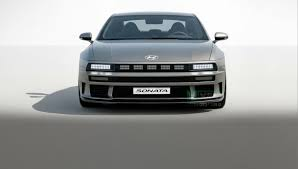
This abnormal expansion is problematic for several critical reasons. Modern vehicle architectures are incredibly compact, with components often positioned in close proximity. As the fuel tank deforms, it can swell to such an extent that it makes direct contact with adjacent exhaust system components. Exhaust pipes, especially those downstream from the engine and catalytic converter, operate at extremely high temperatures – easily hot enough to melt plastic. The horrifying scenario then becomes clear: a melting plastic fuel tank, releasing highly volatile gasoline, directly onto red-hot exhaust parts. This confluence of leaked fuel and extreme heat creates an incredibly potent recipe for a car fire risk, a situation no driver ever wants to encounter. This vehicle defect investigation highlights a critical oversight in the initial design or component specification that carries severe consequences.
Identifying the Affected Fleet: Your Sonata’s Vulnerability
The recall specifically targets Hyundai Sonata sedans from the 2020, 2021, 2022, and 2023 model years. It’s crucial to note that not all Sonatas within these years are affected. The recall is exclusively for vehicles equipped with the non-hybrid 1.6-liter turbocharged four-cylinder engine. This distinction is vital; if your Sonata features the 2.0-liter hybrid powertrain, it is exempt from this particular safety campaign.
Why the 1.6-liter turbo? The presence of the turbocharger is key here. As discussed, the compressed air backflow originates from this system. Vehicles without a turbocharger, or those with different engine configurations that do not share this specific purge control check valve design, are not implicated in this particular flaw. As an owner, verifying your engine type is the absolute first step in determining your vehicle’s vulnerability. You can typically find this information in your owner’s manual, on your vehicle’s window sticker, or by referencing your VIN. Understanding these specifics is paramount for any Hyundai owner information related to this recall.

Recognizing the Red Flags: Early Warning Signs to Heed
One of the most concerning aspects of such a serious mechanical defect is that vehicle owners might be unaware of the impending danger until it’s too late. Fortunately, Hyundai and the National Highway Traffic Safety Administration (NHTSA) have identified several potential indicators that could signal the onset of this fuel tank issue. As an experienced automotive technician, I always emphasize that your vehicle communicates with you; you just need to learn its language.
Here are the warning signs you should immediately pay attention to if you own an affected Hyundai Sonata:
A “Pop” Noise from the Rear of the Vehicle: This isn’t just a random sound. A sudden, sharp “pop” emanating from the rear undercarriage of your Sonata could be the literal sound of the fuel tank deforming or even partially rupturing under excessive internal pressure. This audible cue demands immediate investigation.
Illumination of the Malfunction Indicator Light (MIL) or “Check Engine” Light: While this light can signify hundreds of potential issues, in the context of this recall, it’s a critical warning. A problem with the fuel system’s integrity, including issues related to emissions control (which the purge valve is part of), will almost certainly trigger the MIL. Do not ignore a glowing “Check Engine” light; have it diagnosed promptly. This often relates to an emissions system fault that indirectly points to the underlying problem.
The Distinct Smell of Fuel Around the Vehicle: This is perhaps the most direct and alarming indicator. Gasoline has a very strong, unmistakable odor. If you detect the smell of fuel, particularly near the rear of your car after driving or even when it’s parked, it’s a high-priority emergency. Fuel leaks are not to be taken lightly under any circumstances, let alone when coupled with the potential for contact with hot surfaces. This is a clear sign of a fuel leak detection scenario.
Difficulty Starting the Vehicle or No-Start Condition: While less direct, fuel system pressure issues can impact engine starting. If the fuel tank is significantly compromised or deformed, it could interfere with proper fuel delivery to the engine, leading to extended crank times or a complete failure to start.
As of the recall’s filing, Hyundai had reported awareness of seven confirmed fuel-tank leaks related to this specific defect in the United States and Canada. Crucially, and thankfully, there have been no reported crashes, injuries, or fatalities directly linked to this issue. This data, while serious, underscores the importance of proactive auto safety recalls in preventing tragedies.
The Grave Consequences: Fuel Leaks and Fire Hazards
Let’s not mince words: a fuel leak, especially one originating from a melting fuel tank, is an extraordinarily dangerous situation. Gasoline is highly flammable, with vapors that can ignite rapidly when exposed to a heat source or spark. In a vehicle context, the list of potential ignition sources is extensive: hot exhaust components, electrical shorts, sparks from friction, or even a simple backfire.
Beyond the immediate fire risk, a compromised fuel tank also poses environmental hazards. Leaking fuel contaminates the ground and can enter stormwater systems, harming ecosystems. Furthermore, the loss of fuel efficiency due to a leak, however minor, translates to wasted money for the owner and increased emissions. This isn’t just about a simple repair; it’s about safeguarding lives, property, and the environment. Understanding these severe implications is part of comprehensive car fire prevention strategies.
Hyundai’s Prescribed Remedy: What Owners Can Expect
Recognizing the severity of the situation, Hyundai has outlined a comprehensive remedy to address this critical defect. Owners of affected vehicles will be notified via mail and instructed to bring their Sonata to an authorized Hyundai dealership. It’s imperative that you act on this notification promptly.
The service procedure, performed by trained technicians, will typically involve three key steps:
Inspection and Potential Replacement of the Purge Control Check Valve: This is the primary corrective action. Technicians will thoroughly inspect the existing purge control check valve. If it’s found to be defective or showing signs of failure, it will be replaced with an updated, redesigned component that prevents the backward flow of compressed air. This is a fundamental fuel system repair.
Inspection and Potential Repair/Replacement of the Fuel Tank and Surrounding Components: Following the check valve assessment, the fuel tank itself will undergo a meticulous inspection. Technicians will look for any signs of deformation, stress cracks, melting, or fuel leakage. Depending on the extent of the damage, the fuel tank may be repaired or, in more severe cases, completely replaced. This also includes inspecting adjacent components that might have been affected by heat or fuel exposure.
Updating the Engine Control Unit (ECU) Software: As a preventative measure, the vehicle’s ECU software will be updated. This software revision is likely designed to monitor fuel system pressures more closely or potentially adjust engine parameters to mitigate the conditions that could lead to check valve failure or excessive tank pressure buildup, even with the new valve installed. This is a common practice in modern vehicle defect solutions, leveraging software to enhance hardware reliability.
Hyundai has also committed to providing reimbursement for any affected owners who may have already incurred costs for the same service performed prior to the recall’s official filing. This is a standard and ethical practice within the consumer protection automotive industry, ensuring that proactive owners are not penalized for addressing a manufacturer’s defect. Keep all your repair receipts if you’ve already had work done that aligns with this recall’s scope.
Your Call to Action: Securing Your Safety and Peace of Mind
The official notification to both owners and dealers is scheduled to commence by mail starting on January 16, 2026. However, waiting for a letter isn’t always the best course of action, especially with a safety concern of this magnitude.
If you own a 2020-2023 Hyundai Sonata with the 1.6-liter turbocharged engine, I strongly urge you to take immediate steps to determine your vehicle’s recall status.
Check Your VIN: The most definitive way to ascertain if your vehicle is included in this or any other recall is to use your Vehicle Identification Number (VIN). You can find your VIN on the driver’s side dashboard (visible through the windshield) or on a sticker inside the driver’s side door jamb.
Utilize the NHTSA Website: The National Highway Traffic Safety Administration (NHTSA) maintains a comprehensive public database of all vehicle safety recalls. Visit their official website (NHTSA.gov) and enter your VIN. This will instantly show you any open recalls associated with your specific vehicle.
Contact Your Hyundai Dealership: If you have any doubts or questions, or if the NHTSA website confirms your vehicle is affected, contact your local Hyundai dealership without delay. Schedule an appointment for the recall service. Remember, recall repairs are performed free of charge to the owner.
Beyond the Recall: A Broader Perspective on Vehicle Safety
As an automotive expert, I view recalls like this not just as isolated incidents but as crucial learning opportunities for both manufacturers and consumers. They highlight the ongoing need for rigorous testing, vigilant quality control, and transparent communication from automakers. For owners, this serves as a powerful reminder of the importance of staying informed about their vehicle’s service history, paying attention to warning signs, and promptly addressing any safety-related alerts.
The automotive landscape of 2025 is incredibly advanced, but complex systems can still develop unforeseen flaws. Maintaining open lines of communication between manufacturers, regulatory bodies like the NHTSA, and vehicle owners is paramount to ensuring automotive reliability and passenger safety on our roads. This specific Hyundai recall information should serve as a wake-up call for affected owners to prioritize safety.
Don’t Delay – Act Now for Your Safety
The risk of a melting fuel tank and subsequent fire is not something to postpone. If your 2020-2023 Hyundai Sonata, equipped with the 1.6-liter turbo engine, is among the affected vehicles, do not wait for the official notification letter. Take proactive steps today to verify your vehicle’s status and schedule the necessary recall service. Your safety, and the safety of your passengers, depends on it.
Secure your peace of mind and ensure the ongoing safety of your vehicle. Visit NHTSA.gov with your VIN or contact your local Hyundai dealer immediately to address this critical safety recall.